A Month-by-Month Guide to Humpback Whale Migration, the Best Time to See Whales in Cabo San Lucas, Winter Ocean Conditions and Private Yacht Whale Watching Charters
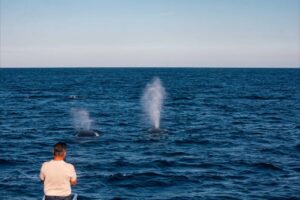
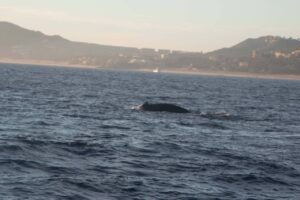
Every winter, something remarkable happens in the waters surrounding Cabo San Lucas. Humpback whales that have spent much of the year feeding in the northern Pacific begin appearing near the southern tip of Baja California, transforming the ocean into one of Mexico’s most exciting seasonal wildlife destinations. Visitors standing along the coastline may occasionally notice a distant splash or the unmistakable plume of a whale exhaling, while those aboard boats have opportunities to observe these enormous marine mammals in their natural environment.
For travelers researching Los Cabos whale watching season, the most important question is usually when to visit. However, the answer involves more than identifying a few popular months. Whale migration follows biological patterns that change throughout winter, and the experience in December can differ from what visitors encounter in February or April.
The timing of a vacation also influences ocean conditions, tour availability and the type of whale activity visitors may observe. Some travelers are particularly interested in spectacular surface displays, while others hope to see mothers traveling with calves. Families may prioritize calmer morning departures, whereas couples planning a romantic getaway may prefer combining whale watching with coastal sightseeing aboard a private yacht.
Booze Cruise Cabo offers private whale watching charters from Cabo San Lucas Marina, allowing visitors to experience the winter migration aboard a yacht reserved exclusively for their group. Its seasonal excursions combine wildlife observation with Cabo Arch sightseeing, refreshments and onboard amenities.
Understanding the whale watching calendar can help visitors select their travel dates and reserve an appropriate excursion before arriving in Cabo.
Current private charter options are available at whale watching page.
When Does Los Cabos Whale Watching Season Start and End?
The primary whale watching season in Cabo San Lucas generally extends from December through April, when migrating humpback whales are present in the surrounding waters.
For the 2025–2026 season, Mexico’s official authorized whale watching period for the designated Cabo San Lucas area ran from December 15 through April 30. Published reporting for the 2026–2027 season indicates the same dates, although travelers should always confirm the current federal authorization and applicable operating zones.
The distinction between whale presence and the official observation season is important. Whales do not follow a calendar established for tourism, and individual animals may arrive before the authorized period or remain after it. Commercial whale watching activities, however, must comply with the dates, areas and operating requirements established by Mexican authorities.
For visitors planning a vacation around whale watching, January, February and March are generally the most attractive months. These months fall within the central winter migration period, when humpbacks are commonly observed near Cabo.
December and April can also provide worthwhile opportunities, but activity may be less consistent as whales arrive or depart at different times.
Los Cabos Whale Watching Season Month-by-Month Calendar
Seasonal Activity | What Travelers Should Expect
| Month | Season Status | What to Expect |
|---|---|---|
| November | Before the main season | Occasional early whale presence; not a dependable dedicated whale watching period |
| December | Season begins | Increasing humpback activity as migrating whales arrive |
| January | Peak season | Strong opportunities for humpback sightings and varied surface behavior |
| February | Peak season | Excellent seasonal opportunities, including adults and mothers with calves |
| March | Peak to late season | Continued humpback activity and possible mother-calf encounters |
| April | Season winds down | Some whales remain, but encounters may become less predictable |
| May–October | Outside the primary season | Dedicated humpback whale watching is generally not a reliable activity |
This calendar describes broad seasonal patterns rather than guaranteed sightings. The number of whales, their location and their behavior can change considerably between individual days.
December Los Cabos Whale Watching Season: The Excitement of the First Arrivals
December marks the beginning of the primary winter whale watching period around Cabo San Lucas. As humpback whales migrate south from northern feeding grounds, increasing numbers begin appearing in the waters surrounding the peninsula.
- Visitors traveling during the Christmas and New Year’s holidays may have opportunities to observe these animals, particularly after the authorized season begins in mid-December.
- Early-season excursions can be exciting because the migration is underway, but activity may not yet resemble the more established conditions commonly associated with January and February.
- Some whales may be traveling through the region, while others are beginning to occupy seasonal breeding and calving areas. Their movements can vary, making it important to approach December whale watching with realistic expectations.
- For travelers planning a private yacht excursion during the holidays, advance booking is advisable because Cabo attracts substantial visitor traffic during this period.
A private charter can combine the seasonal opportunity to observe whales with Cabo Arch sightseeing and a comfortable ocean experience, even when wildlife activity varies.
January Los Cabos Whale Watching Season: A Popular Time for Humpback Encounters
- January is one of the most popular months for whale watching in Cabo San Lucas because humpback whales are commonly present in the surrounding waters.
- By this point in the winter, the migration has brought many animals into the broader southern Baja California region, creating opportunities to observe whales traveling, surfacing and interacting with one another.
- Visitors may encounter tail displays, pectoral fin movements or occasional breaching, although none of these behaviors can be predicted for a particular excursion.
- January is also an attractive month for travelers who want to combine whale watching with other Cabo activities. The winter climate is generally pleasant, and visitors can enjoy coastal sightseeing, private yacht excursions and the region’s outdoor attractions.
- However, ocean conditions still require attention. Winter winds and swell can affect passenger comfort, particularly when vessels travel into exposed Pacific waters.
- Morning departures may sometimes provide calmer conditions before afternoon winds increase, although the captain should determine the appropriate schedule based on the actual forecast.
- For families and groups planning a January whale watching charter, reserving a suitable yacht in advance can help secure the preferred vessel and departure time.
February Los Cabos Whale Watching Season: Why This Month Is Especially Popular
- February is frequently considered one of the strongest months for whale watching around Cabo San Lucas. Humpback whales are commonly present during this period, and visitors may have opportunities to observe a variety of natural behaviors.
- The International Whaling Commission identifies February and March as peak whale watching months for humpbacks in the southern Baja California region, supporting February’s reputation as an attractive time to plan an excursion.
- Travelers may observe whales surfacing repeatedly, lifting their tails before deeper dives or traveling together through the surrounding waters.
- Mothers with calves may also be present, providing opportunities to appreciate an important aspect of the whales’ seasonal migration.
- However, February should not be interpreted as a guarantee of spectacular encounters. Whale behavior remains unpredictable, and the presence of animals in the region does not mean they will appear near every boat.
- For visitors whose vacation dates are flexible, February is a strong choice because it falls near the center of the seasonal humpback whale activity.
- Couples, families and groups can combine this timing with a private yacht charter that allows them to enjoy the experience together without joining a crowded shared excursion.
March Los Cabos Whale Watching Season: Continued Humpback Activity and Mother-Calf Encounters
- March remains an important part of Cabo’s whale watching season, with humpback whales commonly present in the surrounding waters.
- As the winter progresses, some whales begin preparing for their northward migration, while others remain in the region with calves.
- Visitors may have opportunities to observe mothers traveling with young whales, although these encounters depend entirely on the animals’ movements and the location of the excursion.
- March can be particularly appealing for travelers interested in the biological significance of the migration. The presence of calves illustrates why the warm waters surrounding southern Baja California are important to humpback whales during winter.
- Whale watching operators must exercise appropriate care around mothers and calves, following applicable Mexican regulations and avoiding disturbance.
- For visitors, the most rewarding encounters are those that allow the animals to continue their natural behavior without interference.
- March also offers an attractive opportunity to combine whale watching with coastal sightseeing aboard a private yacht, particularly for travelers visiting Cabo during spring vacation periods.
April Los Cabos Whale Watching Season: The Final Weeks of the Migration
- April represents the later stages of the main whale watching season around Cabo San Lucas.
- Some humpback whales may still be present, but activity can become less predictable as animals begin moving north toward their feeding grounds.
- Visitors traveling in early April may have opportunities to observe whales, although the number of animals in the region can vary considerably from year to year.
- By the end of April, the primary authorized observation season generally concludes, and dedicated whale watching becomes a less dependable activity.
- For travelers visiting Cabo during April, it is especially important to confirm that the selected excursion operates within the applicable authorized dates and that the operator is offering a genuine seasonal whale watching charter.
- A private yacht excursion can still provide an enjoyable coastal sightseeing experience, but guests should understand that wildlife encounters may be less predictable than during the central winter months.
Why Humpback Whales Choose the Waters Around Cabo San Lucas
- Humpback whales migrate between northern feeding grounds and warmer breeding and calving regions, making the waters surrounding southern Baja California an important seasonal destination.
- During the summer feeding period, humpbacks consume large quantities of small schooling fish and krill, building energy reserves that support their long-distance migration.
- As winter approaches, many animals travel south toward warmer waters where breeding and calving activities occur.
- The Cabo region provides access to both Pacific and Sea of Cortez waters, creating a diverse marine environment near the southern tip of the peninsula.
- For visitors, this migration explains why whale watching is primarily a winter activity rather than a year-round attraction.
- It also highlights the importance of responsible tourism. These animals are not visiting Cabo for entertainment; they are following biological patterns essential to their survival and reproduction.
- Understanding that distinction can make a whale watching excursion more meaningful, encouraging visitors to appreciate natural behavior rather than expecting a predictable performance.

What Whale Behaviors Are Most Common During Los Cabos Whale Watching Season?
- Humpback whales display a variety of behaviors that can make each excursion different.
- One of the most frequently observed activities is surfacing to breathe. A whale may emerge from the ocean, release a visible plume of spray and then submerge again.
- Tail lifting occurs when the animal raises its flukes above the surface before beginning a deeper dive. These displays are particularly interesting because individual humpback whales have distinctive markings on the undersides of their tails.
- Pectoral fin slapping involves a whale raising or striking one of its long fins against the water, creating visible splashes.
- Breaching is among the most dramatic behaviors, occurring when a whale propels much of its body above the ocean before falling back into the water.
- Although these displays are exciting, their frequency cannot be predicted. Some excursions may feature repeated surface activity, while others involve quieter encounters with whales traveling through the area.
- Visitors should appreciate the full range of natural behavior rather than measuring the success of an excursion exclusively by whether a whale breaches.
Morning or Afternoon: What Is the Best Time of Day During Los Cabos Whale Watching Season?
- The best departure time depends on marine conditions, passenger preferences and the type of experience the group wants to enjoy.
- Morning excursions may sometimes benefit from calmer ocean conditions before afternoon winds develop. Smoother water can make it easier to identify distant whale blows and may provide a more comfortable experience for passengers sensitive to boat motion.
- Afternoon departures can offer attractive lighting for coastal photographs, particularly around Cabo’s granite formations and the famous Arch.
- However, whale activity does not follow a fixed daily schedule. Humpbacks may surface, travel or interact at different times throughout the day, and no departure hour guarantees better sightings.
- For families with young children or guests concerned about seasickness, an earlier departure may be worth considering when the forecast supports calmer conditions.
- Couples and groups interested in combining whale watching with sightseeing may prefer a departure time that fits their broader vacation plans.
- The captain’s assessment of actual marine conditions should always take priority over generalized assumptions about morning or afternoon excursions.
Private Yacht Whale Watching During Cabo’s Peak Winter Season
- Private yacht charters provide an alternative to conventional shared whale watching tours, allowing guests to enjoy the seasonal migration aboard a vessel reserved exclusively for their group.
- Booze Cruise Cabo offers private whale watching packages departing from Cabo San Lucas Marina, combining wildlife observation with coastal sightseeing and onboard amenities.
- The company’s fleet includes the 32-foot Luhrs Blue Star, 35-foot Riviera Blue Water, 43-foot Riviera Blue Sky and 60-foot Bertram Blue Sea.
- Each yacht provides a different setting for the experience, allowing guests to select a vessel according to their group size and preferred level of comfort.
- Couples may appreciate the privacy of a smaller yacht, while families and larger groups may prefer additional seating and space.
- Booze Cruise Cabo’s published whale watching packages include Cabo Arch sightseeing, an open bar, photographs and video, bean bags or sunbed areas, and snacks such as chips, salsa and guacamole. Three-hour packages also include a light lunch or supper.
- These amenities create a more complete private yacht experience, particularly for visitors who want to combine seasonal wildlife observation with relaxation and coastal scenery.
Los Cabos Whale Watching Season Yacht Prices and Charter Options
Booze Cruise Cabo offers two-hour, three-hour and four-hour private whale watching packages, allowing visitors to choose an excursion that fits their schedule and group size.
| Yacht | 2 Hours | 3 Hours | 4 Hours | Included Guests |
| 32′ Luhrs Blue Star | $500 | $650 | $800 | Up to 4 |
| 35′ Riviera Blue Water | $600 | $750 | $900 | Up to 4 |
| 43′ Riviera Blue Sky | $750 | $1,050 | $1,250 | Up to 6 |
| 60′ Bertram Blue Sea | $1,050 | $1,550 | $2,050 | Up to 10 |
Published base prices are in US dollars, with 16% tax additional. Additional guest charges apply beyond the included passenger allowance. Confirm current rates and availability before booking.
- A two-hour excursion may appeal to couples and families who want a shorter introduction to whale watching, while three-hour and four-hour packages provide additional time to enjoy the yacht and surrounding scenery.
- Longer excursions offer more time on the ocean but do not guarantee whale sightings or particular behaviors.
- The most appropriate package depends on the group’s comfort, available schedule and preferred overall experience.
Why the Cabo Arch Is a Memorable Part of Winter Whale Watching
- The Cabo Arch is one of the most recognizable natural landmarks in Mexico, rising dramatically from the ocean near the southern tip of the Baja California Peninsula.
- For visitors departing Cabo San Lucas Marina, the surrounding coastline provides a spectacular introduction to the region’s marine environment.
- Booze Cruise Cabo’s published whale watching packages include an Arch sightseeing visit, subject to the captain’s route and safe operating conditions.
- Guests can enjoy views of the granite formations, nearby beaches and the meeting point of the Pacific Ocean and Sea of Cortez before continuing toward areas where whales may be present.
- The Arch provides an attractive setting for photographs, particularly for visitors experiencing Cabo from the water for the first time.
- Combining this landmark with seasonal wildlife observation allows guests to enjoy several of the region’s most memorable coastal attractions during one private charter.
How Tripadvisor and Google Reviews Help Travelers Choose a Winter Whale Watching Charter
- Independent reviews can provide useful insight into the quality of a private yacht experience, particularly for travelers unfamiliar with Cabo San Lucas charter operators.
- Booze Cruise Cabo has established a substantial Tripadvisor presence, with guest feedback discussing vessel comfort, crew professionalism, coastal sightseeing and private ocean excursions.
- Some reviews describe whale encounters during the winter season, providing examples of how guests have combined seasonal wildlife observation with the company’s yacht services.
- However, travelers should distinguish between reviews of dedicated whale watching charters and those describing sunset cruises or other activities.
- Google reviews can provide additional information about reservation communication, punctuality, vessel cleanliness and customer service.
- When evaluating feedback, prospective guests should focus on reviews that describe experiences similar to the one they intend to book, particularly in terms of group size, yacht selection and season.
- Travelers can consult Booze Cruise Cabo’s Tripadvisor listing alongside current Google feedback before making a reservation.
Important Questions About Los Cabos Whale Watching Season
Is January or February better for whale watching in Cabo San Lucas?
Both months fall within the central humpback whale watching season and are generally excellent choices for visitors planning a wildlife excursion. February is frequently identified as a peak period, but January also offers strong opportunities for sightings and varied whale behavior. The difference between individual days can be greater than the average difference between the two months, so travelers should consider their broader vacation schedule and preferred marine conditions rather than expecting one month to guarantee better encounters.
Can visitors see humpback whale mothers with calves during March?
Yes. Mothers with calves may be present during March as part of the winter breeding and calving season. However, their location and behavior cannot be predicted, and responsible whale watching operators must follow applicable regulations intended to protect these animals. Visitors should appreciate any mother-calf encounter from an appropriate distance without expecting the captain to approach closely.
Does Los Cabos whale watching season officially begin on December 1?
Not necessarily. Although humpback whales may begin arriving in the region during early December, Mexico establishes official authorized whale watching dates for designated areas. The 2025–2026 season in the Cabo area began on December 15, and published 2026–2027 information indicates the same starting date. Travelers should confirm the applicable federal authorization before booking an early December excursion.
Are whale sightings guaranteed during the peak Los Cabos whale watching season?
No. Even during January, February and March, humpback whales remain wild animals that move freely through the ocean. Their location and behavior can change throughout the day, and no operator can guarantee a particular encounter. Travelers should ask about the charter’s no-sighting policy before booking and understand what is included regardless of wildlife activity.
Is April too late for a Cabo whale watching vacation?
April can still provide opportunities to observe humpback whales, particularly earlier in the month, but activity generally becomes less predictable as the season progresses. Visitors traveling during April should confirm that the selected excursion operates within the authorized season and approach the experience with realistic expectations about wildlife sightings.
Are morning whale watching charters better for families with children?
Morning departures may sometimes offer calmer ocean conditions, which can be beneficial for families with younger children or passengers sensitive to motion sickness. However, conditions vary, and the captain should determine whether the forecast is suitable for the planned excursion. Families should also consider the children’s ages, available seating and preferred charter duration when selecting a private yacht.
Can I reserve a private whale watching yacht for a group of 10 during February?
Yes. Booze Cruise Cabo offers larger yacht options, including the 60-foot Bertram Blue Sea, with published whale watching packages including up to 10 guests in the base rate. Guests should confirm the approved passenger capacity, total price, taxes and availability before booking, particularly during the popular winter months.
What happens if Los Cabos whale watching season is affected by rough ocean conditions?
Wind, swell and other marine conditions can influence whether a scheduled excursion can operate safely. The captain may need to adjust the route, departure time or charter arrangements based on the conditions. Travelers should review the operator’s weather-related policies before booking and consider scheduling whale watching earlier in their vacation to preserve some flexibility if changes become necessary.
Can whales still be seen near Cabo San Lucas during November or May?
Individual whales may occasionally be present outside the primary winter season, but November and May are not generally dependable months for dedicated humpback whale watching. Travelers planning a vacation specifically around whale encounters should prioritize the authorized winter observation period, particularly January through March.
Plan Your Los Cabos Whale Watching Season Experience with Booze Cruise Cabo
Los Cabos whale watching season offers visitors an extraordinary opportunity to observe humpback whales during one of the most important stages of their annual migration. From the first arrivals in December through the central winter activity of January, February and March, the waters surrounding Cabo San Lucas become a seasonal destination for travelers interested in marine wildlife and the natural beauty of southern Baja California.
Choosing the right month is an important part of planning, but the overall experience also depends on the vessel, departure time, marine conditions and expectations of the passengers. Families may prioritize comfort and a suitable charter duration, while couples and groups may prefer the privacy and atmosphere of a dedicated yacht.
Booze Cruise Cabo offers private whale watching packages that allow guests to combine seasonal humpback whale observation with Cabo Arch sightseeing and comfortable onboard amenities. Its fleet provides options for different group sizes, from intimate private outings to larger gatherings aboard spacious yachts.
For travelers planning a winter vacation, reserving an appropriate charter during the central whale watching season can provide an appealing combination of wildlife observation, coastal scenery and time together on the ocean. Although whale sightings and behavior cannot be guaranteed, thoughtful planning and responsible operation help create an enjoyable experience that respects the animals and their natural environment.
Visitors can explore the available yachts, review current charter rates and confirm seasonal reservation details through the whale watching page. By selecting travel dates that align with the winter migration and choosing a private yacht suited to their group, guests can experience one of Cabo San Lucas‘s most remarkable seasonal attractions while enjoying the comfort and privacy of their own charter.
Booze Cruise Cabo
I Dock, Cabo San Lucas Marina
23450 Cabo San Lucas, Baja California Sur, Mexico
Phone: +1 480-635-2965
Email: info@boozecruisecabo.com
Whale Watching Charters: Whale Watching in Cabo San Lucas